

Many of the Problems Women Face Are Not Personal - They Are Structural
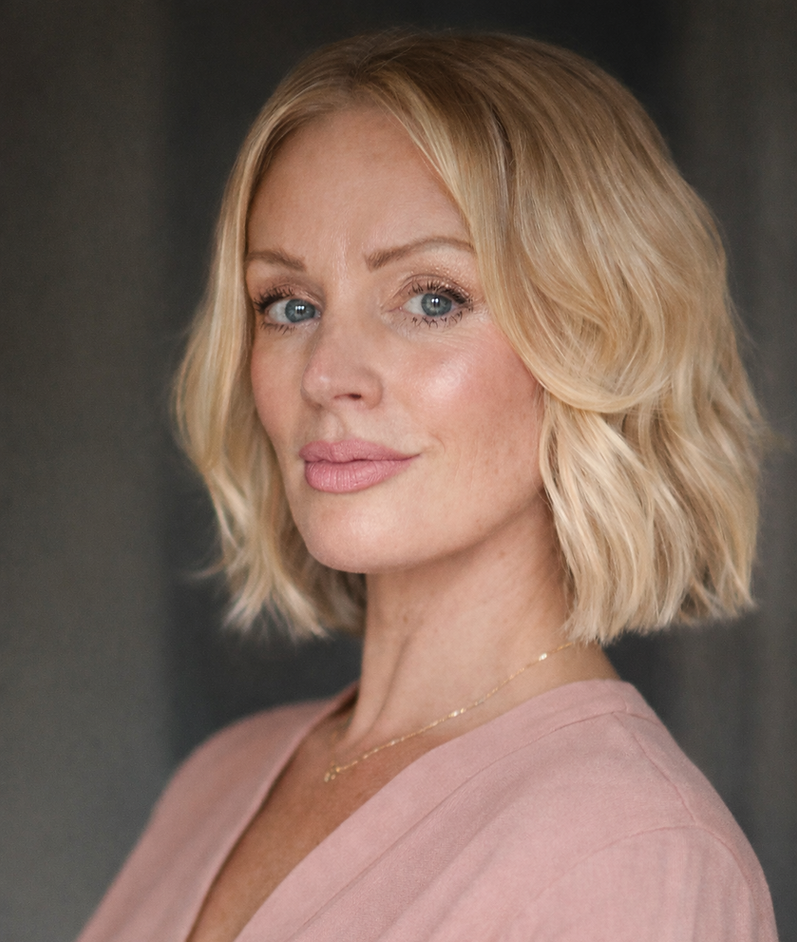
By Rebecca Ingram

For a long time, I believed that many of the struggles women face could be overcome by personal effort; healing unresolved childhood trauma, low confidence, protecting boundaries and so on.
We are told, and tell each other, that if we can just work on ourselves; become more assertive, more resilient, more empowered, that we can step powerfully into our next up-level.
And of course, personal development is essential for everyone.
But over time, through my life in law, observing institutions, leadership spaces and working with many women in the healing space, my intuitive knowledge that actually this is something much more systemic could no longer be silenced.
The truth is, many of the difficulties women encounter are not individual failings.
They are structural, historical and outdated.
The systems that shape our workplaces, relationships and institutions were largely built in archaic contexts where men held almost all formal power. Those structures - legal, cultural and organisational - did not disappear when equality became a social goal.
They evolved (very) slowly, often preserving assumptions about authority, leadership and gender roles that were formed generations ago.
As a result, women today find themselves navigating environments that were not originally designed with them in mind.
This is evident in multiple ways:
The authority gap between men and women;
The invisible labour women perform in families and workplaces;
The double standards applied to ambition, leadership and emotional expression, I could go on.
As one offs these can feel trivial but collectively they form a malignant pattern.
An appreciation of this can begin to change the conversation. Instead of asking why individual women struggle to ‘succeed’ it is more useful to elevate our line of questioning:
What are institutions doing to force change in unconscious biases?
Why do institutions reward certain behaviours in some, and punish the same behaviour in other individuals?
Why does emotional and mental labour remain largely invisible in economic systems?
Why are so many women encouraged to fix themselves rather than examine the structures around them?
These are not questions of blame, but of architecture.
If we want healthier workplaces, stronger relationships and more balanced societies, we have to look not only at individual behaviour but at the systems that shape it.
This space is where I will explore those questions. Through essays on power, gender, leadership and law, I want to examine how historical structures continue to influence modern life — and what it might take to evolve them.
Because many of the problems we think are personal are, in fact, structural.
And understanding that is the first step towards meaningful change.
If these ideas interest you, subscribe here or on my Substack . I’ll be writing regularly about power, leadership and the systems shaping modern life.
Rebecca


Comments